Description
Audemars Piguet Royal Oak: History, Review, Specs & Price
The Audemars Piguet Royal Oak is one of the most recognisable luxury watches ever created. Since its launch in 1972, the Royal Oak has changed the way people view luxury sports watches.
Its design was created by Gérald Genta. The watch introduced a bold octagonal bezel, exposed screws, an integrated bracelet and the famous Tapisserie dial.
More importantly, Audemars Piguet used hand-finished stainless steel in a high-end watch at a time when luxury watches were strongly associated with precious metals.
Today, the Royal Oak collection is much larger. It includes self-winding watches, chronographs, perpetual calendars, tourbillons, openworked models and ultra-thin versions.
In this guide, we look at the Audemars Piguet Royal Oak in detail. We cover its history, design, movements, sizes, materials, price considerations and key models.
Audemars Piguet Royal Oak Overview
The Royal Oak is the flagship sports-luxury collection from Audemars Piguet.
The original watch arrived in 1972 as reference 5402ST. It measured 39mm and featured a steel case, integrated bracelet, octagonal bezel and Tapisserie dial.
Audemars Piguet describes the Royal Oak as a watch that challenged traditional watchmaking design codes.
That idea remains important today.
The current collection offers many different interpretations of the original concept. Buyers can find stainless steel, titanium, ceramic, pink gold, white gold, yellow gold and other materials.
There are also several complications.
These include chronographs, perpetual calendars and flying tourbillons.
As a result, the Royal Oak is no longer one single watch. Instead, it is a large family of watches built around a distinctive design language.
Royal Oak History
The Birth of the Royal Oak
The story of the Royal Oak began around 1970.
Audemars Piguet was asked to develop a high-end steel sports watch that could combine elegance with a more casual design.
The company turned to Gérald Genta.
Genta created the initial Royal Oak design in a remarkably short period. The concept featured a large octagonal bezel and an integrated bracelet.
The watch was officially launched in 1972.
The original reference was the Royal Oak 5402ST.
It measured 39mm and was considered large for its period.
It was also unusual because of its stainless-steel construction.
Audemars Piguet wanted the steel to receive the same level of finishing normally associated with precious-metal watches.
Why the Original Royal Oak Was Important
The Royal Oak challenged several traditional ideas about luxury watches.
First, it combined sportiness with luxury.
Second, it used stainless steel in a high-end watch.
Third, it featured an integrated bracelet rather than a conventional case-and-lug design.
Finally, its bold shape was very different from the round watches that dominated the market.
The original Royal Oak therefore looked modern and unusual.
Over time, however, those unusual features became its biggest strengths.
Gérald Genta and the Royal Oak
Gérald Genta is closely associated with the Royal Oak’s design.
His original concept created the basic visual language that still defines the collection today.
The octagonal bezel remains one of the most recognisable features.
So does the integrated bracelet.
The dial also plays an important role.
The original Royal Oak used a textured Tapisserie dial. This pattern became one of the signature details of the collection.
Audemars Piguet continues to use different versions of its Tapisserie patterns across the Royal Oak family.
Royal Oak Design
The design of the Audemars Piguet Royal Oak is easy to recognise.
However, several details work together to create its distinctive appearance.
Octagonal Bezel
The octagonal bezel is perhaps the most famous feature.
It has eight sides and is secured by visible screws.
The screws add an industrial character to the watch.
At the same time, the polished and brushed surfaces create contrast.
This combination gives the Royal Oak its distinctive luxury-sports appearance.
Integrated Bracelet
Another major feature is the integrated bracelet.
The bracelet flows directly from the case.
There are no traditional exposed lugs in the same way you would find on a conventional watch.
The bracelet also tapers towards the clasp.
This creates a smooth visual connection between the case and wrist.
It also contributes to the Royal Oak’s comfortable appearance when viewed from above.
Tapisserie Dial
The Tapisserie dial is another defining feature.
Depending on the model, the dial can feature different colours and patterns.
Blue, black, grey, green and other shades have appeared across the collection.
Some complicated models use more open or elaborate dial designs.
Therefore, the dial can make two Royal Oak watches look very different while keeping the same core identity.
Audemars Piguet Royal Oak Sizes
One reason the Royal Oak has remained relevant is its wide range of sizes.
Current Royal Oak models include several case sizes.
These include:
- 23mm
- 34mm
- 37mm
- 38mm
- 39mm
- 41mm
- 44mm
- Larger complicated models
The exact size depends on the reference and complication.
For example, the current Royal Oak Selfwinding collection includes 37mm and 41mm models. The collection also includes 34mm and 23mm options.
Royal Oak 41mm
The 41mm Royal Oak is one of the most recognisable modern sizes.
It offers a strong wrist presence without moving as far into oversized-watch territory as some larger sports watches.
The current 41mm Selfwinding range includes stainless-steel and precious-metal versions.
One official 41mm pink-gold Selfwinding model measures 10.5mm thick and has 50 metres of water resistance.
Royal Oak 37mm
The 37mm Royal Oak provides a smaller alternative.
It can offer the same core design while producing a more compact wrist presence.
Audemars Piguet currently offers 37mm Selfwinding versions in different materials and configurations.
Royal Oak Jumbo 39mm
The Royal Oak Jumbo Extra-Thin is particularly important to collectors.
The current collection includes 39mm Jumbo Extra-Thin models in stainless steel, yellow gold, white gold and titanium.
There are also openworked versions.
The Jumbo name connects these modern watches with the original 39mm Royal Oak concept.
Royal Oak Selfwinding
The Royal Oak Selfwinding is one of the central models in the collection.
It combines the classic Royal Oak design with a modern automatic movement.
A current 41mm Royal Oak Selfwinding reference, for example, uses Audemars Piguet Calibre 4302.
The movement provides hours, minutes, centre seconds and date functions.
It has 32 jewels, a 70-hour power reserve and operates at 28,800 vibrations per hour.
The calibre measures 32mm in diameter and 4.9mm thick.
This movement helps the modern Royal Oak deliver strong everyday functionality while maintaining a relatively slim profile.
Royal Oak Jumbo Extra-Thin
The Royal Oak Jumbo Extra-Thin is one of the collection’s most historically significant modern designs.
It focuses heavily on the original Royal Oak formula.
The watch combines a relatively thin case with the familiar 39mm shape.
The current collection includes stainless-steel, gold and titanium references.
There are also openworked versions for collectors who want to see more of the movement.
The Jumbo is particularly interesting because it keeps a close connection with the proportions that helped establish the Royal Oak in 1972.
Royal Oak Chronograph
The Royal Oak Chronograph adds a sports complication to the traditional design.
It combines the Royal Oak case and integrated bracelet with chronograph functionality.
Current models are available in different materials, including stainless steel, ceramic and precious metals.
Several 41mm versions appear in the current Audemars Piguet collection.
The chronograph layout also gives the dial a busier appearance.
Therefore, it can appeal to people who prefer a more technical look.
Royal Oak Perpetual Calendar
The Royal Oak Perpetual Calendar takes the collection into haute horlogerie territory.
A perpetual calendar can display more than the standard time and date.
Depending on the movement and model, it can track information such as the day, date, month, moon phase and leap-year cycle.
Audemars Piguet currently offers Royal Oak perpetual calendar models in several materials.
The collection includes 41mm stainless-steel, ceramic and sand-gold versions, along with other complicated references.
These watches combine the familiar Royal Oak appearance with a significantly more complicated movement.
Royal Oak Openworked
The Royal Oak Openworked models take a different approach to the dial.
Instead of hiding most of the movement behind a traditional dial, openworked designs reveal parts of the mechanism.
This gives the watch a technical and architectural appearance.
The movement becomes part of the visual design.
Audemars Piguet offers openworked Royal Oak models in different materials and complications.
The collection includes openworked Jumbo Extra-Thin models as well as more complicated double-balance-wheel and tourbillon watches.
Royal Oak Materials
The original Royal Oak is famous for its stainless-steel construction.
Today, however, Audemars Piguet uses many different materials.
Stainless Steel
Stainless steel remains closely associated with the Royal Oak.
It allows the watch to retain the original sports-luxury character.
However, AP gives the material a high level of finishing.
The case combines brushed and polished surfaces.
This contrast is one of the reasons the Royal Oak can look sporty and luxurious at the same time.
Pink Gold
Pink gold gives the Royal Oak a warmer and more luxurious appearance.
It also creates strong contrast with darker dials.
For example, the current 41mm pink-gold Selfwinding reference combines an 18-carat pink-gold case and bracelet with a black Grande Tapisserie dial.
White Gold and Yellow Gold
Audemars Piguet also produces Royal Oak watches in white gold and yellow gold.
These materials can change the overall character of the watch without changing its core design.
Ceramic
Ceramic provides a more contemporary appearance.
It is used in some complicated Royal Oak models and chronographs.
The dark appearance works particularly well with modern technical designs.
Titanium
Titanium appears in several advanced Royal Oak references.
It can provide a lightweight alternative to steel and precious metals.
It is particularly interesting in complicated models where material choice forms part of the overall engineering concept.
Royal Oak Dial Designs
The dial is one of the most important parts of the Royal Oak design.
Traditional models use Tapisserie patterns.
These textured designs create depth without overwhelming the watch.
Colour choices also make a major difference.
Blue dials, for example, have become strongly associated with luxury sports watches.
Black dials can create a more understated appearance.
Green and other colours offer a more distinctive alternative.
Complicated models may use different dial layouts.
Therefore, choosing a Royal Oak is not only about case size or material.
The dial can completely change the personality of the watch.
Royal Oak Bracelet
The integrated bracelet is central to the Royal Oak identity.
Each link is carefully finished.
Brushed surfaces provide texture, while polished areas add contrast.
The bracelet also tapers towards the clasp.
This helps create the flowing shape that makes the Royal Oak look different from many traditional luxury watches.
For many collectors, the bracelet is one of the biggest reasons to choose the Royal Oak rather than a conventional sports watch.
Royal Oak Water Resistance
Water resistance depends on the exact Royal Oak reference.
For example, the current 41mm pink-gold Royal Oak Selfwinding reference 15510OR.OO.1320OR.04 is rated to 50 metres.
However, buyers should never assume that every Royal Oak has the same rating.
Different complications, materials and case constructions can have different specifications.
Therefore, always check the official reference before using the watch around water.
Audemars Piguet Royal Oak Price
The price of an Audemars Piguet Royal Oak depends heavily on the reference.
Several factors affect the price.
These include:
- Case material
- Movement
- Complication
- Case size
- Production status
- Dial configuration
- Gem-setting
- Limited-edition status
- Market availability
For example, an official 41mm pink-gold Royal Oak Selfwinding reference is currently listed by Audemars Piguet at $78,600.
That price is very different from many stainless-steel references.
Complicated watches can also move far higher.
As a result, there is no single Royal Oak price.
If you are researching a particular model, always search by its full reference number.
That gives you a much more accurate picture.
Is the Audemars Piguet Royal Oak Worth Considering?
The Royal Oak has a very distinctive design.
Therefore, it is not a watch that tries to appeal to everyone.
Its octagonal bezel, integrated bracelet and Tapisserie dial make it immediately recognisable.
For someone who enjoys traditional round watches, the design may feel unusual.
However, collectors who appreciate strong design often find the Royal Oak especially interesting.
The watch also has considerable historical importance.
It helped establish the idea that a stainless-steel sports watch could occupy the highest levels of luxury watchmaking.
That concept has influenced the wider industry for decades.
Royal Oak vs Royal Oak Offshore
The Royal Oak and Royal Oak Offshore are related, but they are not identical.
The original Royal Oak debuted in 1972.
The Royal Oak Offshore arrived in 1993.
The Offshore introduced a larger and more aggressive interpretation of the design.
Audemars Piguet describes the Offshore as a new departure from the original Royal Oak, with a 42mm case at launch and a more overtly sporty character.
In simple terms:
Royal Oak: refined luxury sports-watch design.
Royal Oak Offshore: larger and more overtly sporty interpretation.
Both belong to the Audemars Piguet family.
However, they target different design preferences.
Royal Oak vs Royal Oak Jumbo
The Royal Oak Jumbo has a particularly strong connection with the original watch.
The original Royal Oak 5402 measured 39mm.
Modern Jumbo Extra-Thin models maintain that 39mm diameter while using updated movements and construction.
The Jumbo is therefore especially interesting for collectors who want a modern watch with a close visual link to the original Royal Oak.
Meanwhile, the 41mm Selfwinding is a more contemporary interpretation.
Royal Oak vs Other Luxury Sports Watches
The Royal Oak is often discussed alongside other famous integrated-bracelet luxury sports watches.
These include models from Patek Philippe and Vacheron Constantin.
However, the Royal Oak has its own design language.
the octagonal bezel is different.
exposed screws are different.
Its Tapisserie dial is different.
Most importantly, its history begins in 1972.
That early launch helped establish the category that later luxury sports watches would develop.
Who Is the Royal Oak For?
The Royal Oak can appeal to several types of watch enthusiasts.
Luxury Watch Collectors
Collectors may appreciate its history, finishing and range of complications.
Design Enthusiasts
The unusual case and integrated bracelet make it attractive to people who care strongly about design.
First-Time AP Buyers
Someone entering the Audemars Piguet world may naturally look at the Royal Oak because it is the brand’s most recognisable collection.
Experienced Collectors
Experienced collectors may explore more complicated Royal Oak references, vintage models or limited editions.
What Makes the Royal Oak Special?
Several factors explain the Royal Oak’s long-lasting popularity.
First, the design is highly distinctive.
Second, the watch has an important place in modern watchmaking history.
Third, Audemars Piguet continues to develop the concept.
The current collection contains hundreds of variations across different sizes, materials and complications.
Audemars Piguet states that more than 500 Royal Oak models have been created since the collection began.
That development has allowed the Royal Oak to remain recognisable while still evolving.
Frequently Asked Questions
When was the Audemars Piguet Royal Oak launched?
The Royal Oak was officially launched in 1972.
The original model was reference 5402ST.
It measured 39mm and used a stainless-steel case with an integrated bracelet.
Who designed the Royal Oak?
The Royal Oak was designed by Gérald Genta.
His design created the octagonal bezel, integrated bracelet and distinctive case shape that became central to the collection.
What is the Royal Oak Jumbo?
The Royal Oak Jumbo is the extra-thin 39mm interpretation of the Royal Oak.
It is closely connected to the proportions of the original 1972 model.
Is the Royal Oak automatic?
Many modern Royal Oak models are automatic, or self-winding.
However, the collection also includes quartz models and highly complicated mechanical watches.
Therefore, the movement depends on the reference.
What sizes does the Royal Oak come in?
The current collection includes sizes ranging from 23mm to larger complicated models.
Common modern sizes include 34mm, 37mm, 38mm, 39mm and 41mm.
Is the Royal Oak made from stainless steel?
Yes.
Stainless steel remains an important material in the collection.
However, AP also uses materials such as titanium, ceramic, pink gold, white gold and yellow gold.
How much does an Audemars Piguet Royal Oak cost?
There is no single price.
The price depends on the exact reference, material, movement and complication.
For example, an official 41mm pink-gold Selfwinding reference is currently listed at $78,600.
Is the Royal Oak a good everyday watch?
Some Royal Oak models are designed with everyday wear in mind.
However, water resistance and construction vary by reference.
It is important to check the exact specifications before exposing a particular model to water or demanding activities.
Final Thoughts
The Audemars Piguet Royal Oak is much more than a luxury sports watch.
It represents a major change in modern watch design.
When it launched in 1972, the combination of stainless steel, an integrated bracelet and a bold octagonal case was highly unusual.
Today, those same features have become instantly recognisable.
The collection has also grown dramatically.
There are now self-winding models, chronographs, perpetual calendars, tourbillons, openworked watches and ultra-thin references.
There are also many case sizes and materials.
Despite these changes, the central Royal Oak design remains easy to identify.
That balance between history and modern watchmaking is one of the main reasons the Royal Oak remains such an important Audemars Piguet collection.
For anyone researching luxury watches, the Royal Oak is therefore an important model to understand.
It helped redefine what a high-end sports watch could be, and its influence can still be seen across the luxury watch industry today.

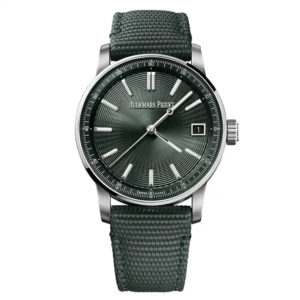
 Audemars Piguet Royal Oak Automatic Black 41mm 1 × $130,490.00




Reviews
There are no reviews yet.